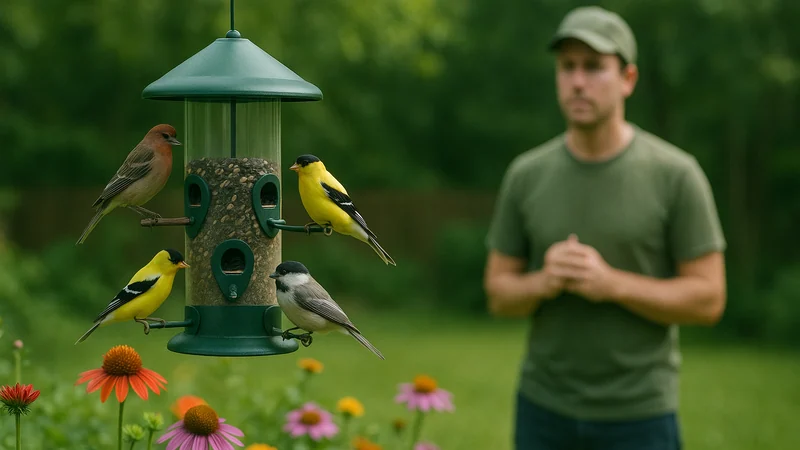
Understanding Your Local Bird Population
Before attracting birds, it's crucial to know which species are native to your area. This knowledge will guide your efforts and ensure you provide the right environment and resources.
Creating a Bird-Friendly Environment
Start by offering food sources that cater to the birds you wish to attract. Different species have varying dietary needs, so a mix of seeds, suet, and nectar can appeal to a broader range. Additionally, providing fresh water for drinking and bathing is essential.
Plant Native Vegetation
Native plants offer natural food sources and shelter, making them an excellent choice for attracting local birds. Consider planting berry-producing shrubs or trees that provide both food and nesting sites.
Install Birdhouses and Feeders
Birdhouses and feeders can significantly increase the chances of birds visiting your yard. Ensure these are placed in safe, accessible locations, away from potential predators.
Observing and Identifying Birds
Once your yard is set up, spend time observing the birds that visit. The Bird Call Identifier app allows you to record and identify their calls and songs, enhancing your birdwatching experience.
Real-World Example: The Joy of Discovery
Imagine hearing an unfamiliar bird song early in the morning. With the Bird Call Identifier app, you can quickly record and identify the species, adding a new entry to your birdwatching journal.
Learning from Experienced Birdwatchers
Experienced birdwatchers often keep detailed logs of their sightings, noting the time, date, and conditions. This practice can help you recognize patterns and improve your identification skills over time.
Where Bird Call Identifier Helps
The Bird Call Identifier app is a valuable tool for both novice and seasoned birdwatchers. It helps identify birds by call, song, and photo, making it an indispensable companion in the field.
Taking the Next Step
Enhance your birdwatching journey by exploring different habitats and expanding your knowledge. Consider visiting local parks or nature reserves to discover new bird species and hone your identification skills.
For more tips on identifying birds without a field guide, check out our article on a backyard bird identifier that works without a field guide.